
Since a Gardens for Wildlife visit in 2024, Ellen and her students have made remarkable progress on their pollinator patch, planting 100 indigenous plants donated by Council each year. With more than 300 plants now established, the garden has transformed from a bare space into a thriving habitat, and best of all, the pollinators have started to arrive.
As the garden has matured, students have also been contributing to the Gardens for Wildlife iNaturalist project, recording sightings of insects other wildlife using the pollinator patch. These observations help document the increasing biodiversity of the site and provide valuable data about the species attracted to indigenous plantings.
Stage one of the garden design is expected to be completed next year, after which work will begin on stage two. During the school holidays, volunteers from Bungalook Nursery visited the school to see the garden's progress and enjoy a guided tour of the site. The visit celebrated the strong partnership that has developed over the years through the school's annual Grade 3 excursion to the nursery, highlighting the positive impact of community collaboration in creating habitat for local wildlife.
The transformation from the garden's first year to its current flourishing state demonstrates the long-term benefits of indigenous planting projects, with students able to see firsthand how their efforts are supporting pollinators and other native wildlife.
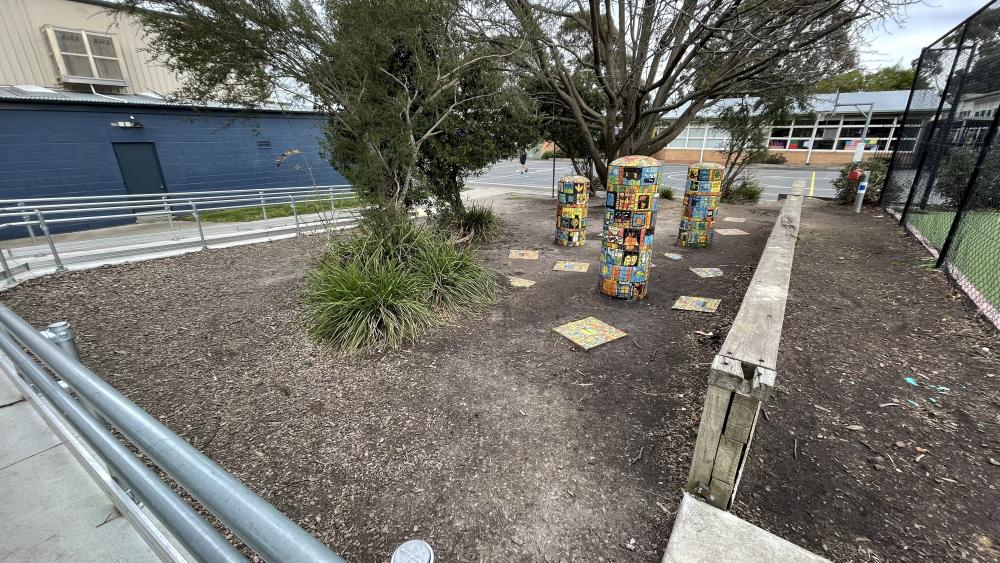
Before
Before
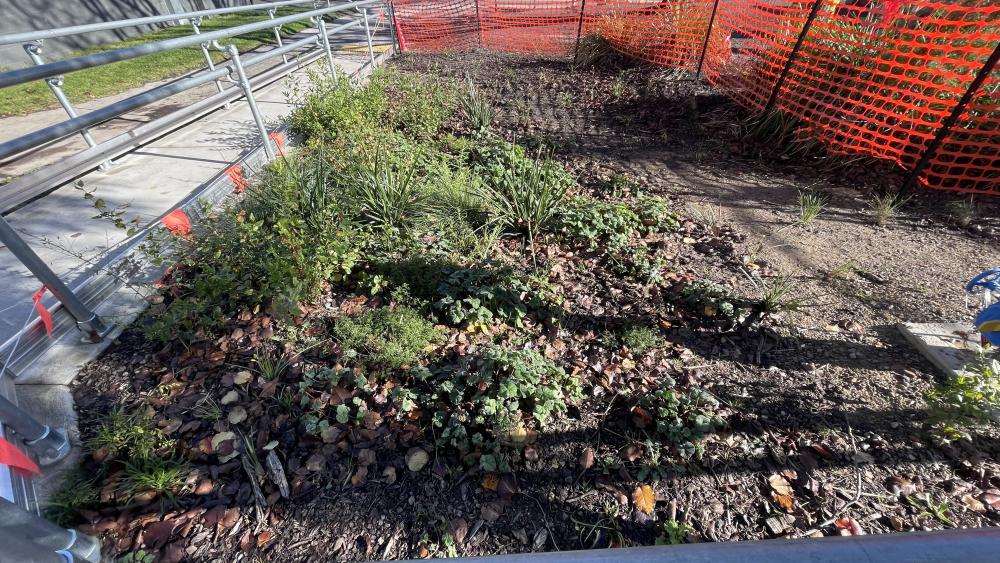
Year 1 - Newly planted
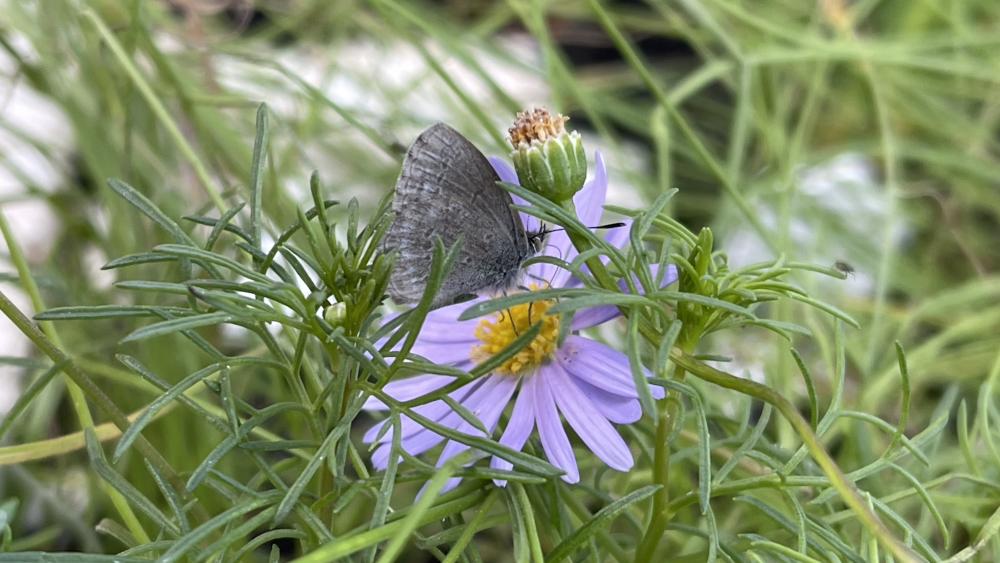
Native butterfly visiting their pollinator patch
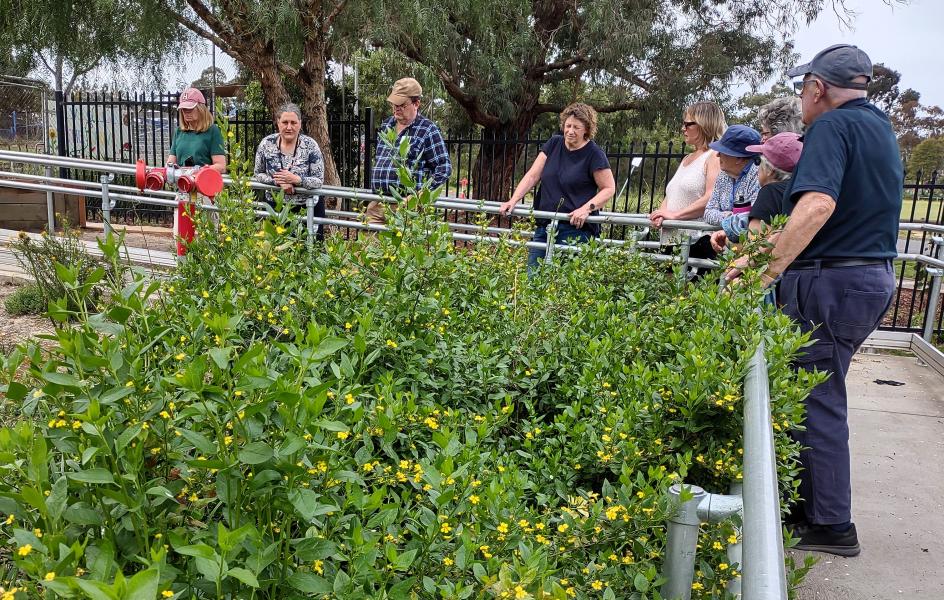
Year 3 - Bungalook volunteers visiting the pollinator patch